

The Dominican Republic
The Island, Its Regions and How to See It Properly
The Dominican Republic occupies the eastern five-eighths of Hispaniola, the second largest island in the Caribbean. It has 1,288 kilometres of coastline on two different seas, the highest mountain in the Caribbean at its centre, and the oldest European city in the Americas on its southern shore.
Most visitors see one beach and fly home. Our guests tend to take a villa at Casa de Campo® on the south-east coast and treat it as a base — a private house with staff, a marina and three golf courses at the door, and the rest of the country within a morning’s drive or a short flight.
This page is the wider picture: the regions worth knowing, what the island is known for, when to come, and what you actually need to arrange before you travel.
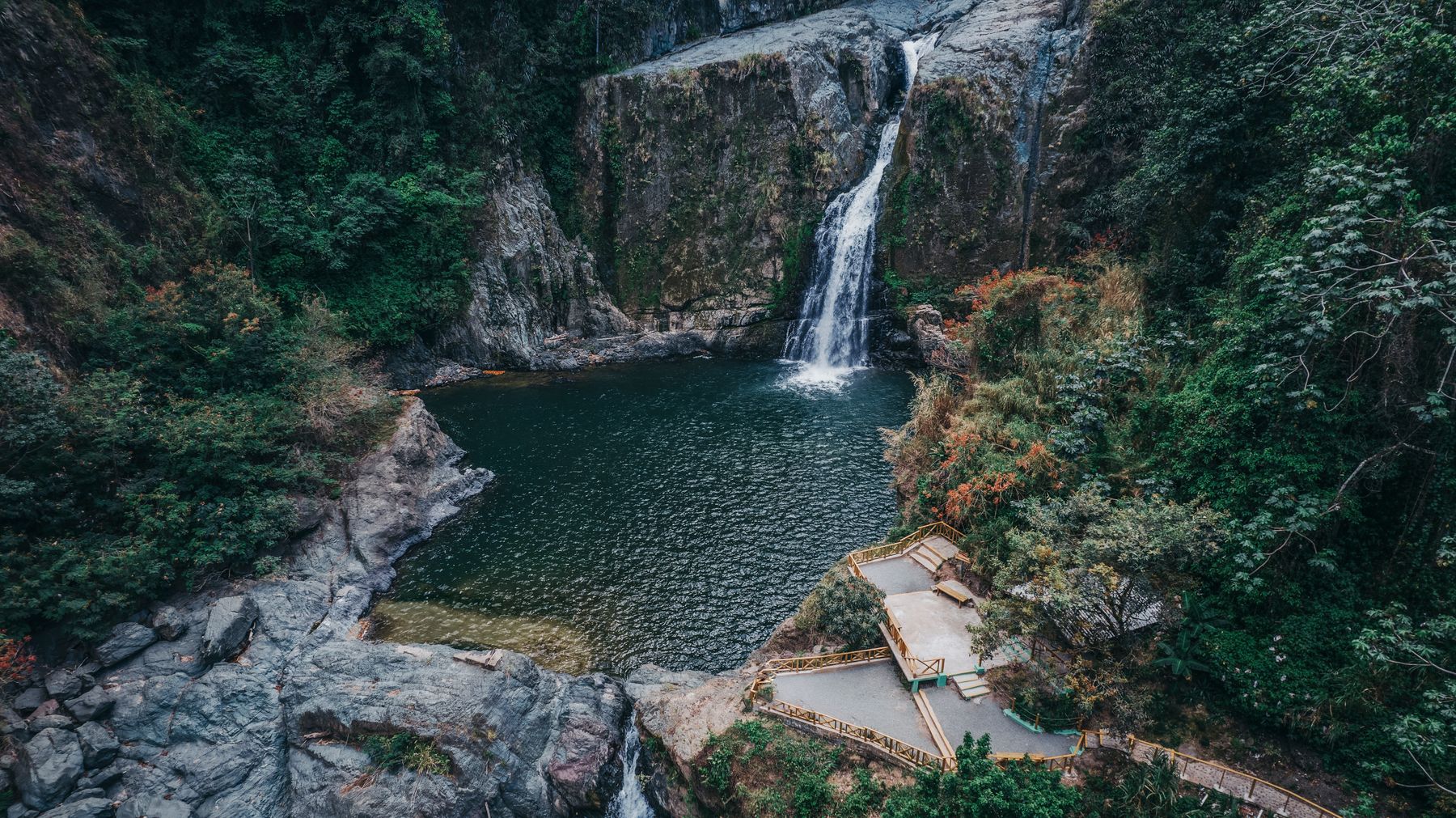
An island with an interior
The Dominican Republic is often sold as a beach. It is 48,670 square kilometres of mountain, valley, desert and coast, and the contrast is the point.
Pico Duarte rises to 3,098 metres in the Cordillera Central — the highest peak anywhere in the Caribbean, in pine forest where the temperature drops below freezing at night. Two hours from it, Lago Enriquillo sits 46 metres below sea level, a saltwater lake with crocodiles and flamingos and the lowest point in the Caribbean.
Between them: the Cibao valley, the country’s agricultural heart; a rough Atlantic coast in the north with reliable wind; and a calm Caribbean coast in the south, which is where the resorts, the marinas and our villas are.
Six regions worth knowing
The country is small enough to cross in a day and varied enough that each coast feels like a different place.
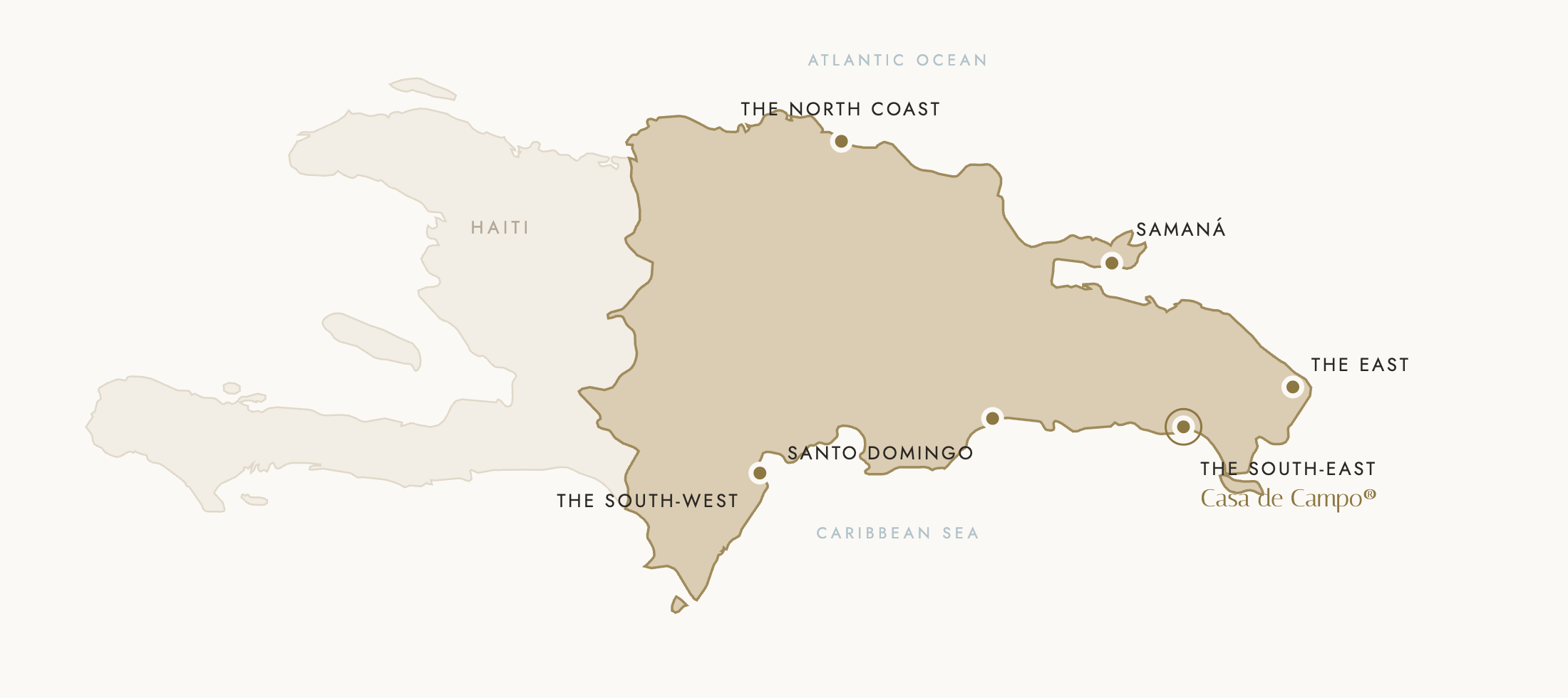
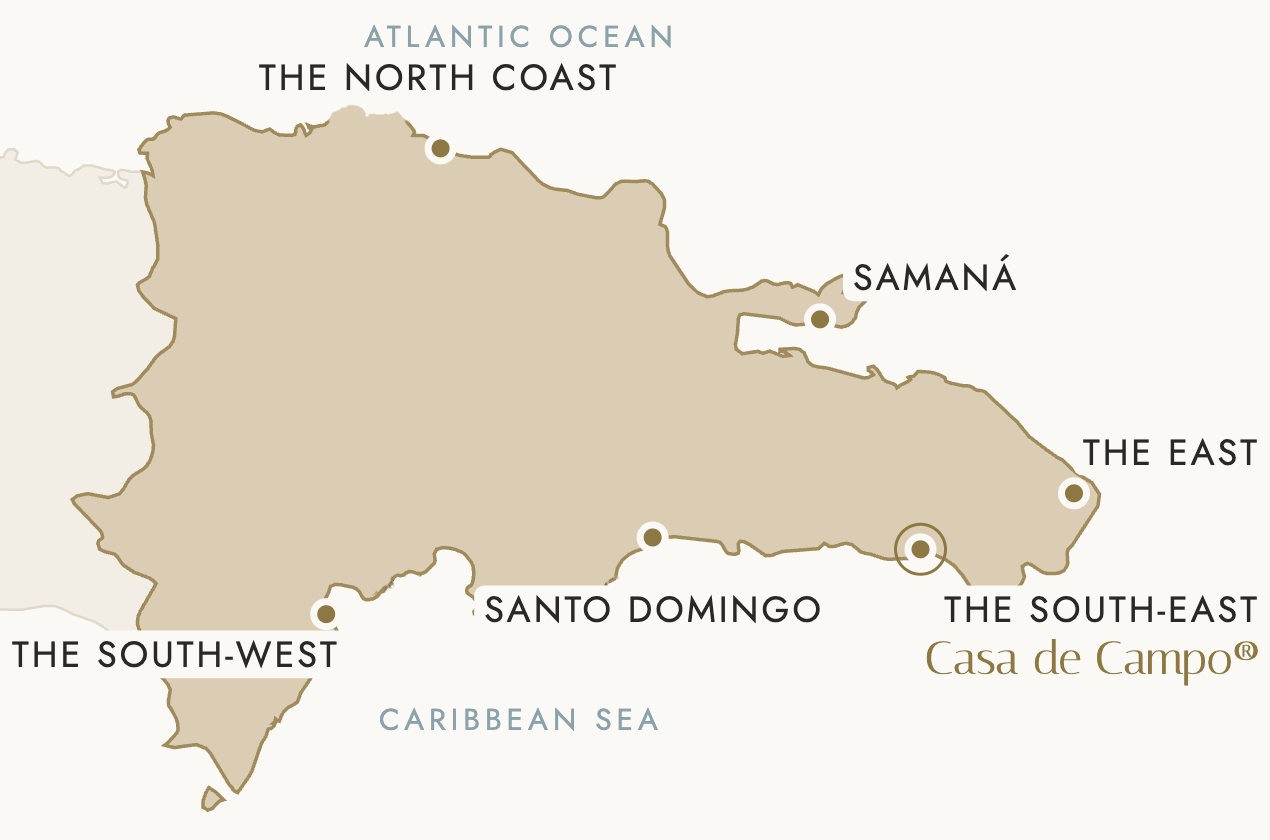
The six regions, and where Casa de Campo® sits
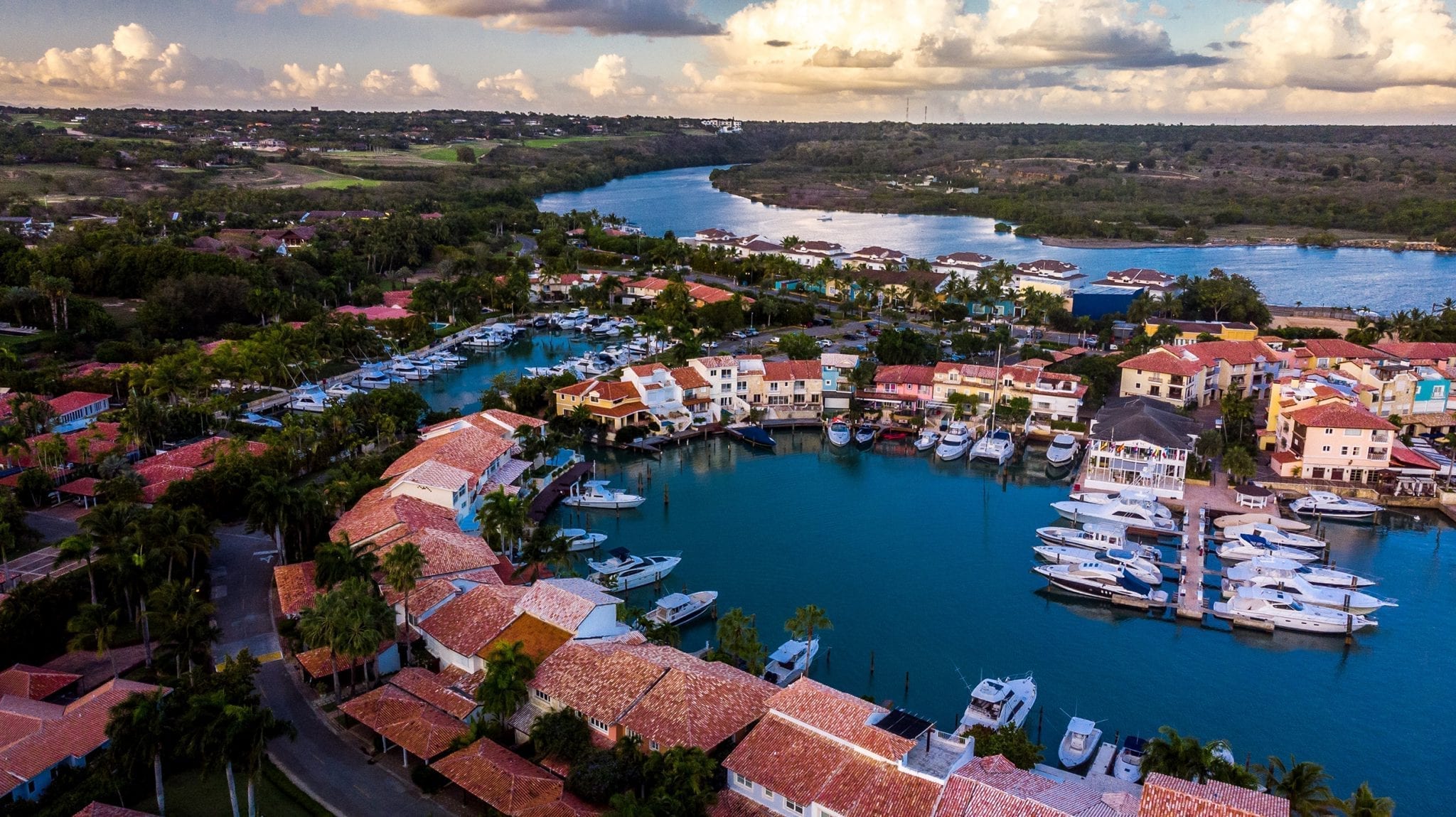
The south-east
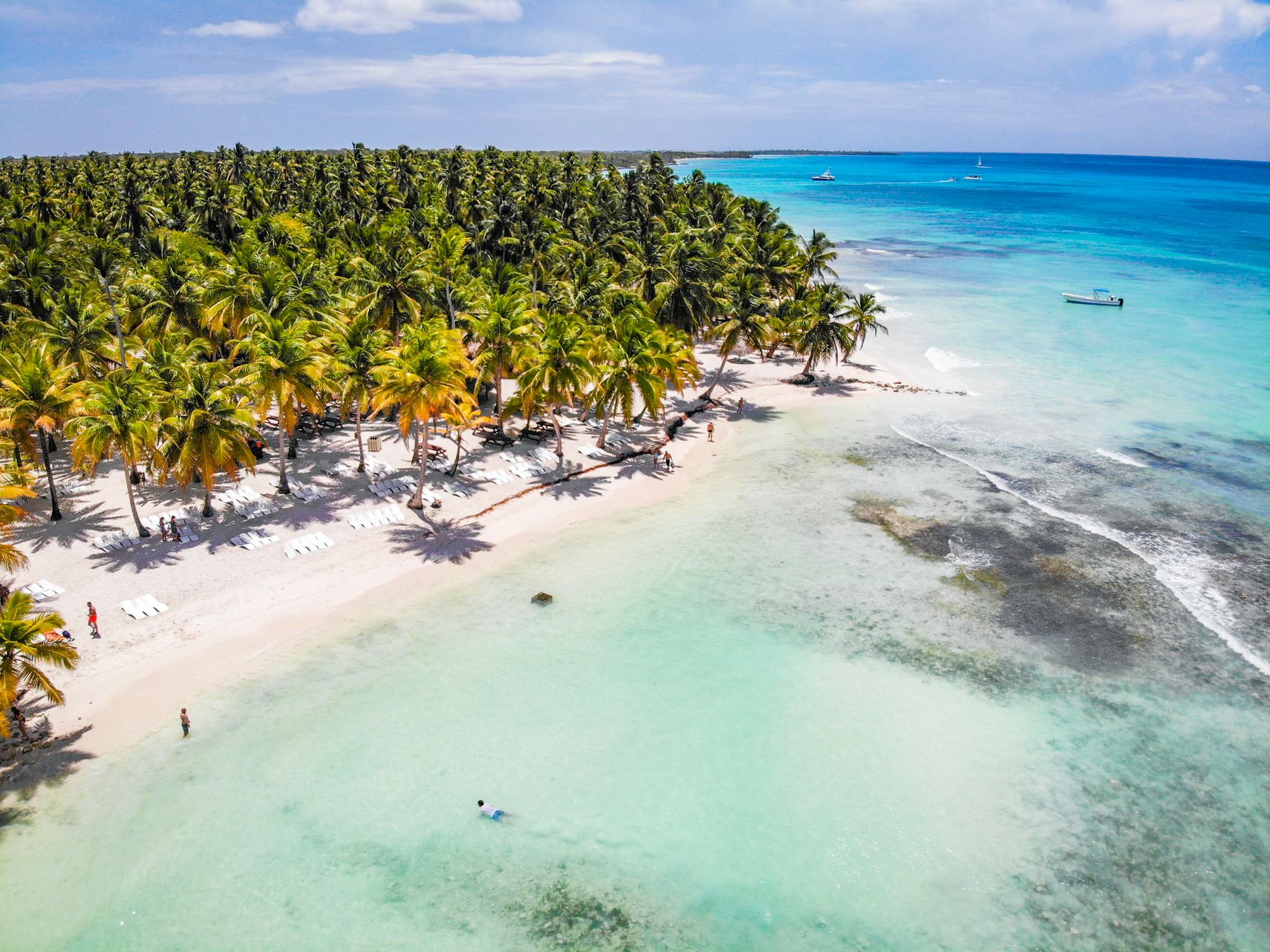
La Romana, Bayahibe and Casa de Campo®. Calm Caribbean water, the marina, the golf, and the quietest stretch of coast with an international airport on it.
The east
Punta Cana, Cap Cana and Uvero Alto. The busiest airport in the Caribbean and the longest run of white sand in the country.
Santo Domingo
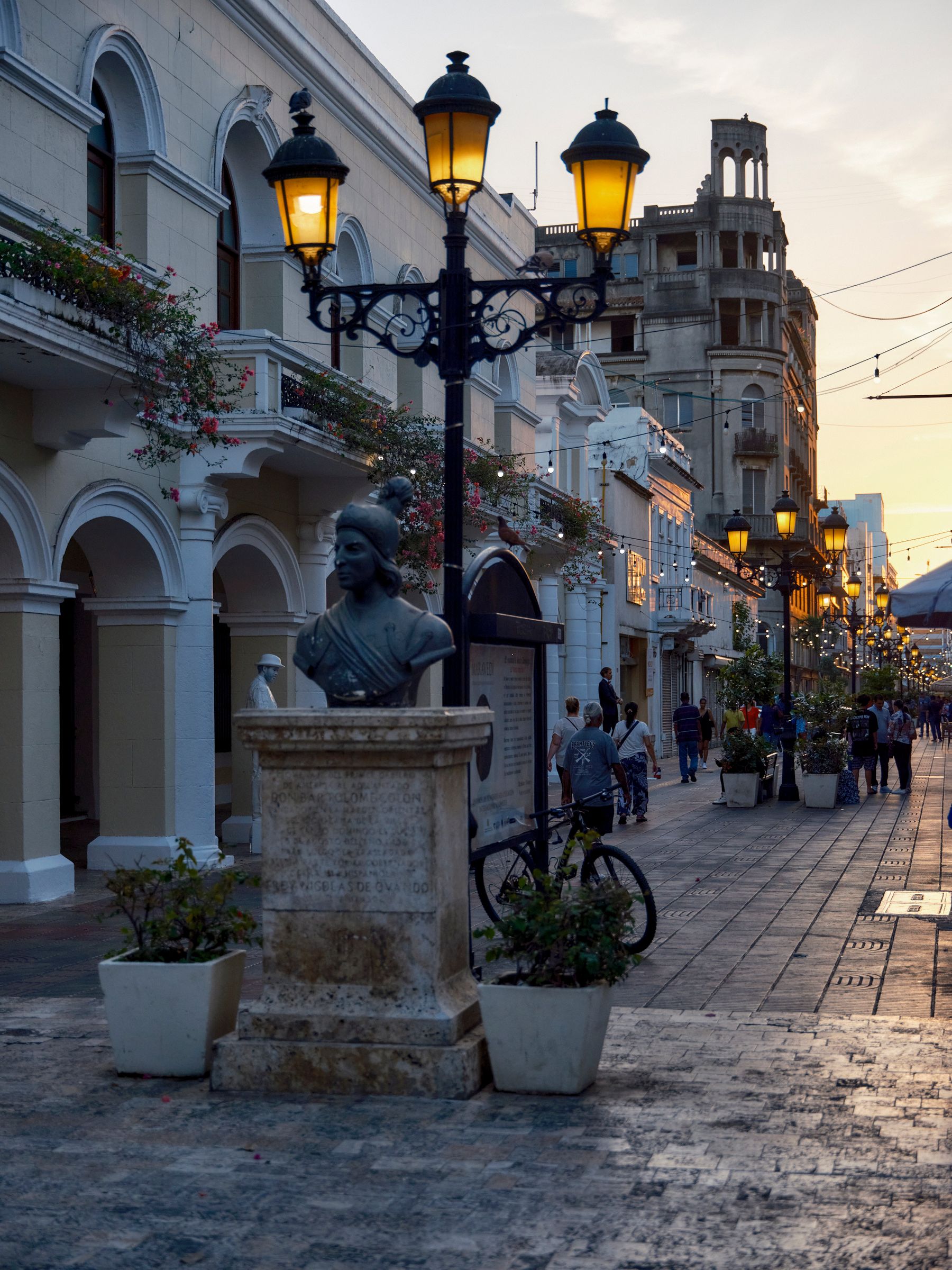
The capital, founded in 1498. Its Colonial City is a UNESCO World Heritage Site and the oldest surviving European settlement in the Americas — a comfortable day trip from the resort.
Samaná
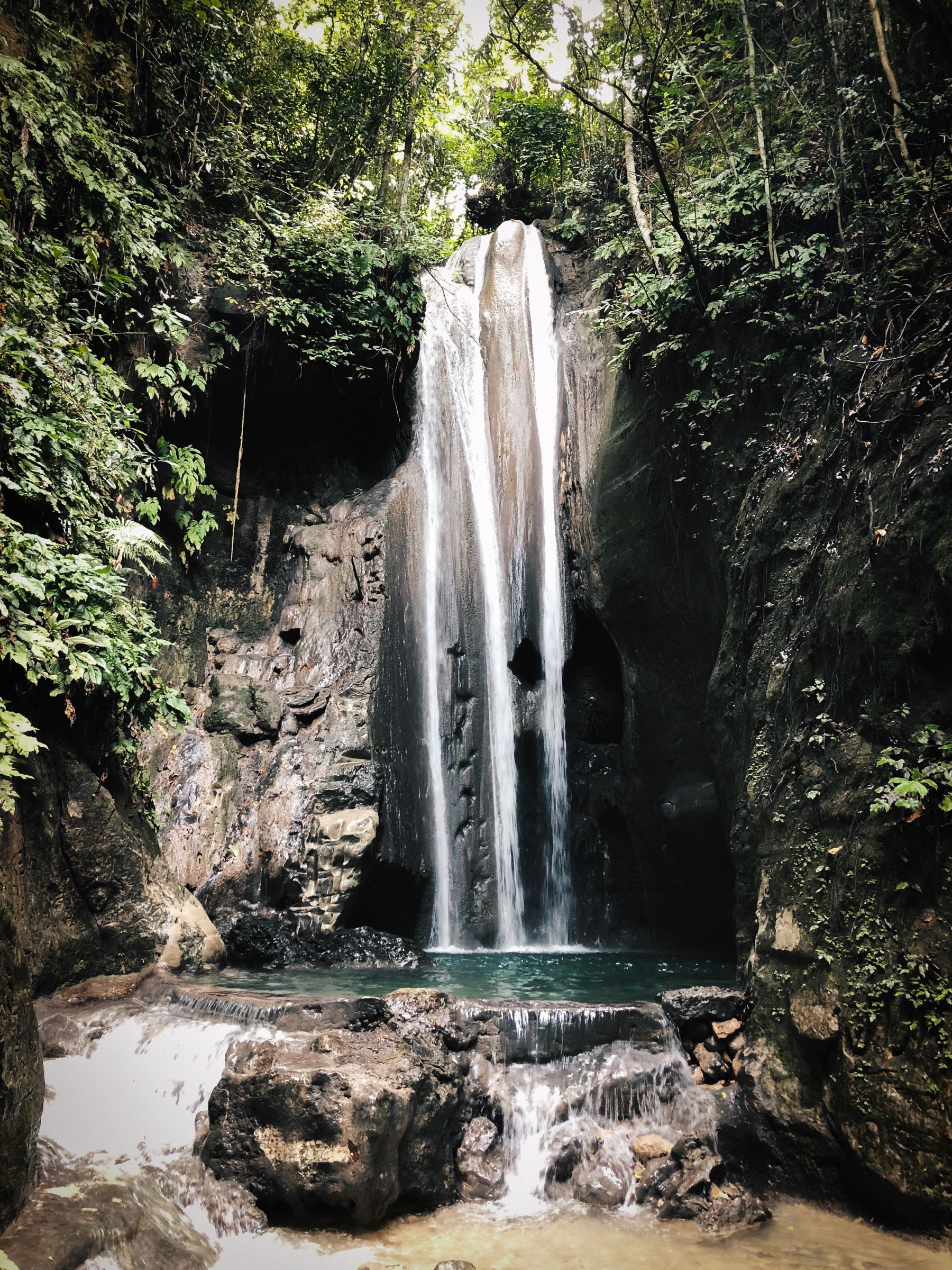
A green peninsula of waterfalls, coconut and near-empty beaches. Humpback whales calve in its bay every winter and it has its own airport.
The north coast
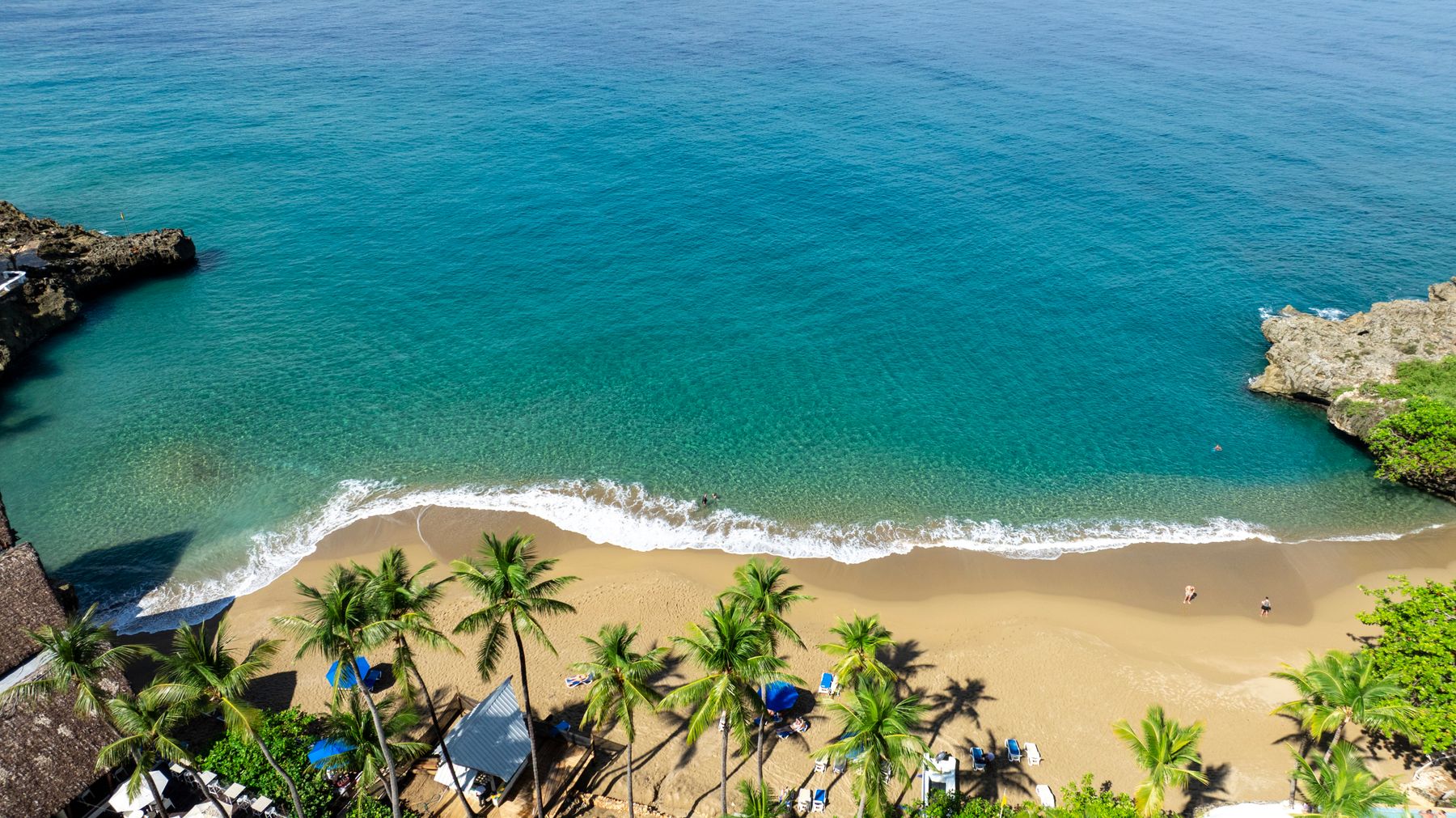
Puerto Plata, Sosúa and Cabarete on the Atlantic. Amber mines, a cable car up Mount Isabel de Torres, and the wind that made Cabarete a kitesurfing capital.
The south-west
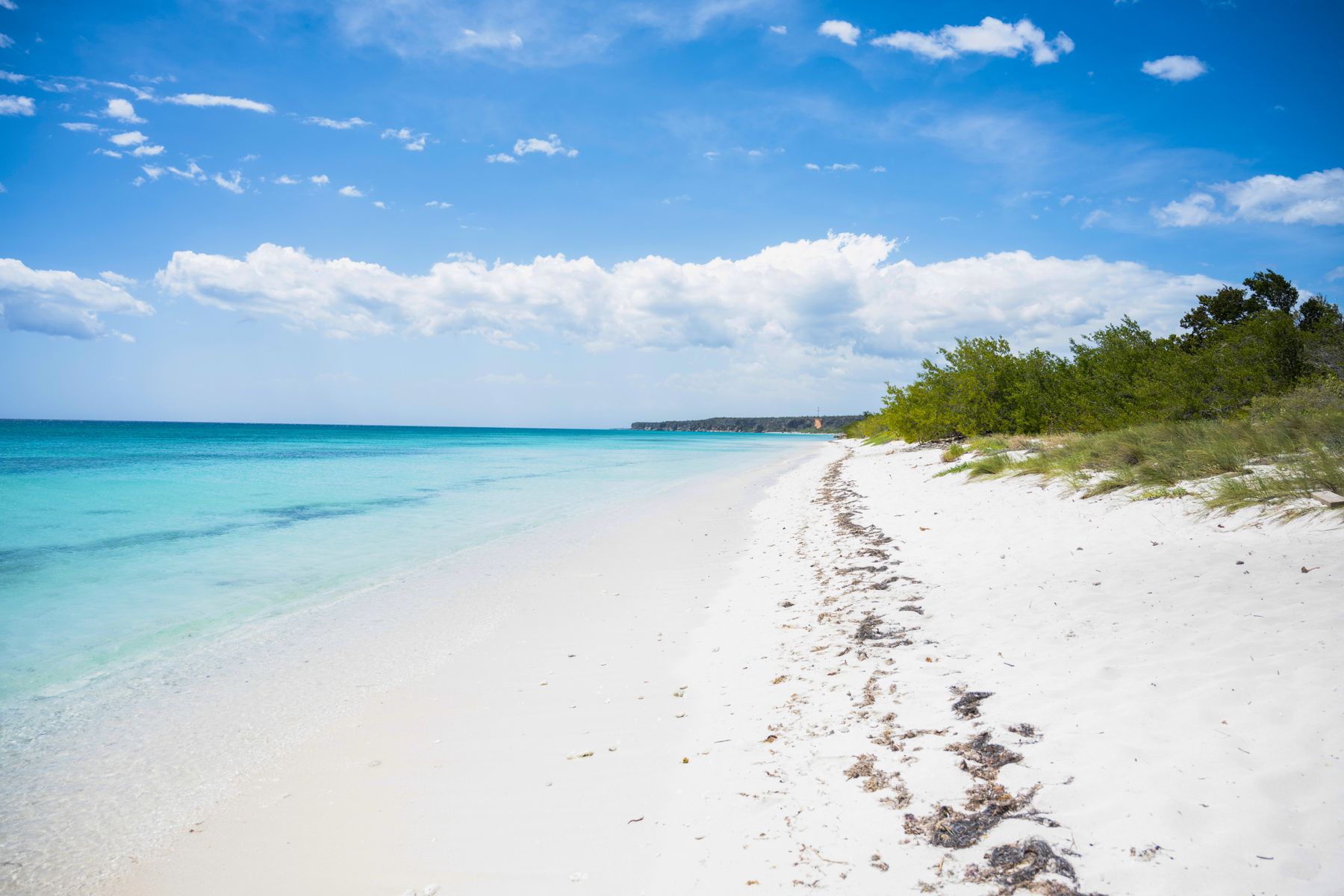
Barahona and Pedernales. Cactus, larimar mines and Bahía de las Águilas — eight kilometres of undeveloped beach reachable only by boat or track.
Where our guests base themselves
Casa de Campo® is a private, gated resort community outside La Romana, on the calm southern coast. It is the reason most of our guests choose this country rather than another one: a staffed private villa rather than a hotel room, with a marina, a beach, three Pete Dye golf courses, a shooting centre, an equestrian centre and Altos de Chavón inside the gates.
La Romana International Airport sits minutes from the main gate, which is what makes the rest of the island easy to reach. You are not committing to one beach for a week — you are committing to a house, and driving or flying out from it.
See the villa collection or read how to choose the right villa.
What is reachable in a day
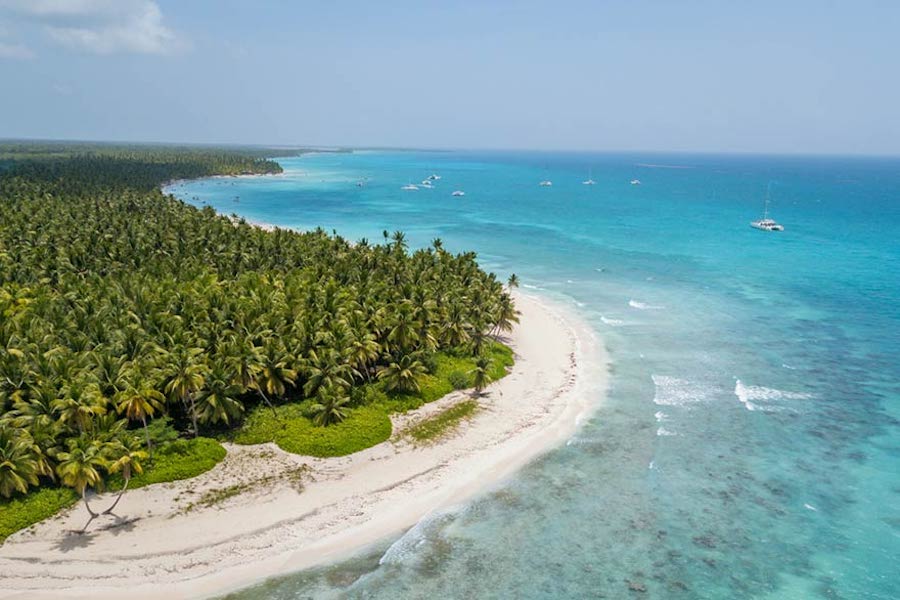
Saona and Catalina islands — both leave from Bayahibe, twenty minutes from the resort gate. Catalina has the better snorkelling; Saona has the sandbars you have seen in photographs.
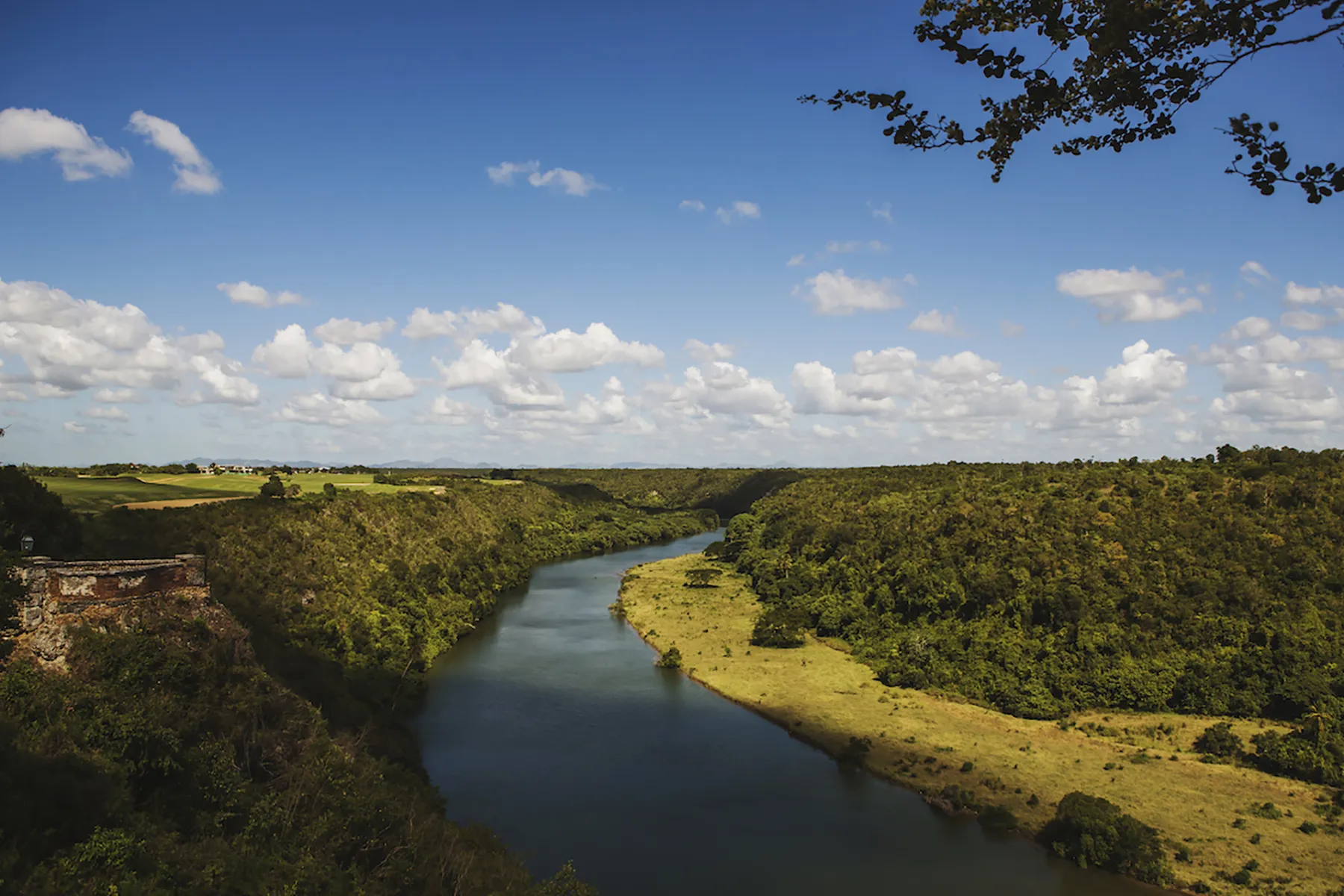
Altos de Chavón — a 16th-century-style Mediterranean village on the clifftop above the Chavón River gorge, inside the resort, with a stone amphitheatre that still hosts concerts. Full guide here.
Santo Domingo — the Colonial City, the first cathedral in the Americas and Calle Las Damas, the oldest paved street. An easy run west on the Autovía del Este.
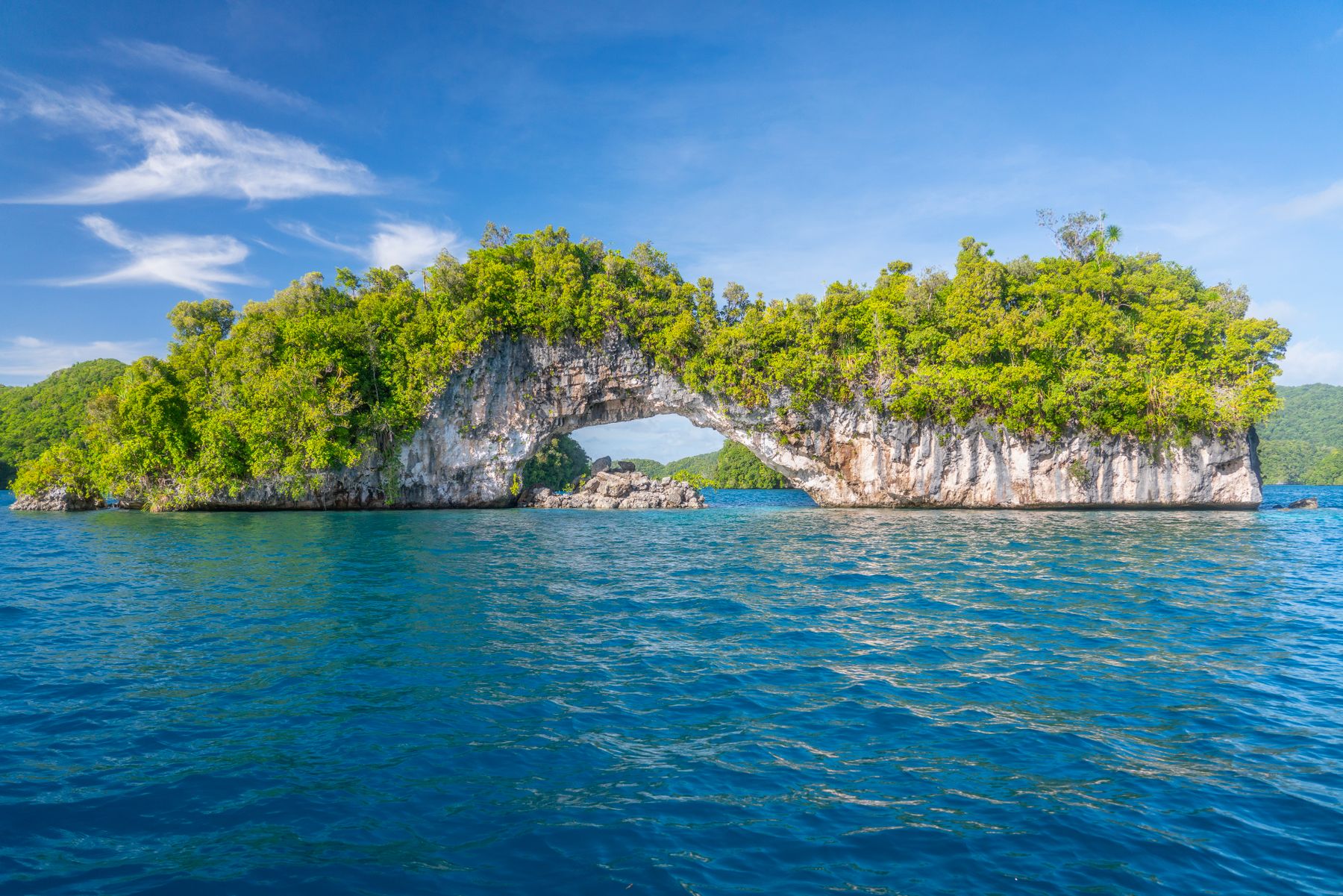
Los Haitises National Park — limestone islets, mangrove channels and caves with Taíno rock art on Samaná Bay.
Our concierge arranges all of these privately. Excursions · Yacht charters
Parks, caves and protected coast
Roughly a quarter of the country is under some form of protection, and the range is unusual for an island this size.
Los Haitises on Samaná Bay is karst forest and mangrove. Jaragua, in the far south-west, is dry forest, flamingo lagoons and Bahía de las Águilas. Valle Nuevo, above Constanza, is high-altitude pine where frost is normal. El Limón on the Samaná peninsula is a waterfall reached on horseback through the hills.
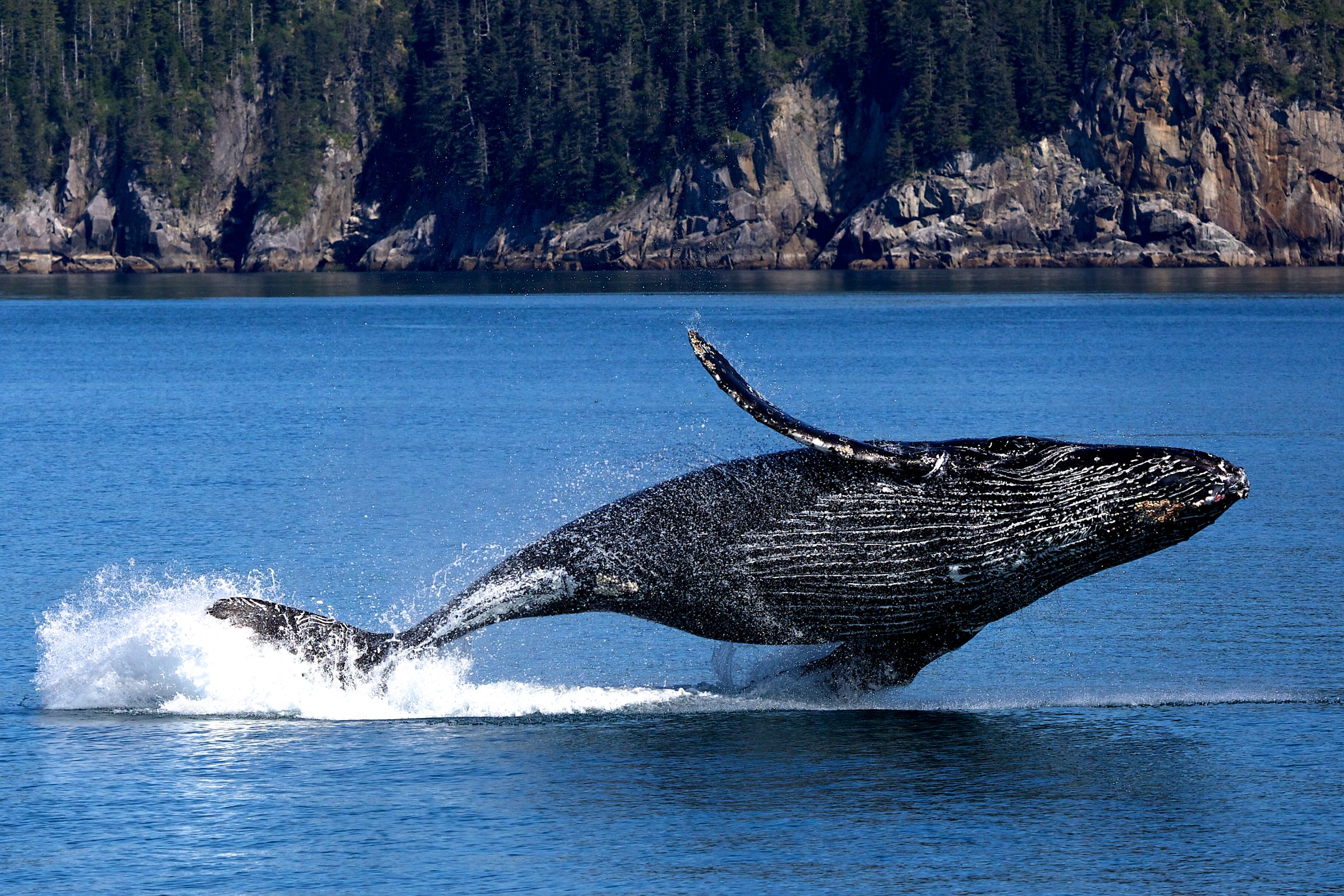
Add the Silver Bank, a marine mammal sanctuary offshore that is one of the few places in the world where swimming with humpback whales is permitted under licence.
The year, season by season
December to April is the dry season and the high season. Warm days, cooler evenings, the lowest humidity of the year, and the period that books furthest ahead.
January to March brings the humpbacks. Thousands migrate from the North Atlantic to Samaná Bay and the Silver Bank to mate and calve — the largest whale-watching season in the Caribbean.
June to November is the Atlantic hurricane season, with the real activity concentrated in August to October. Storms are tracked days ahead and most summers pass without incident, but it is worth knowing before you book.
July and August is when families come: the sea is at its warmest and the resort is at its liveliest.
Merengue, bachata and baseball
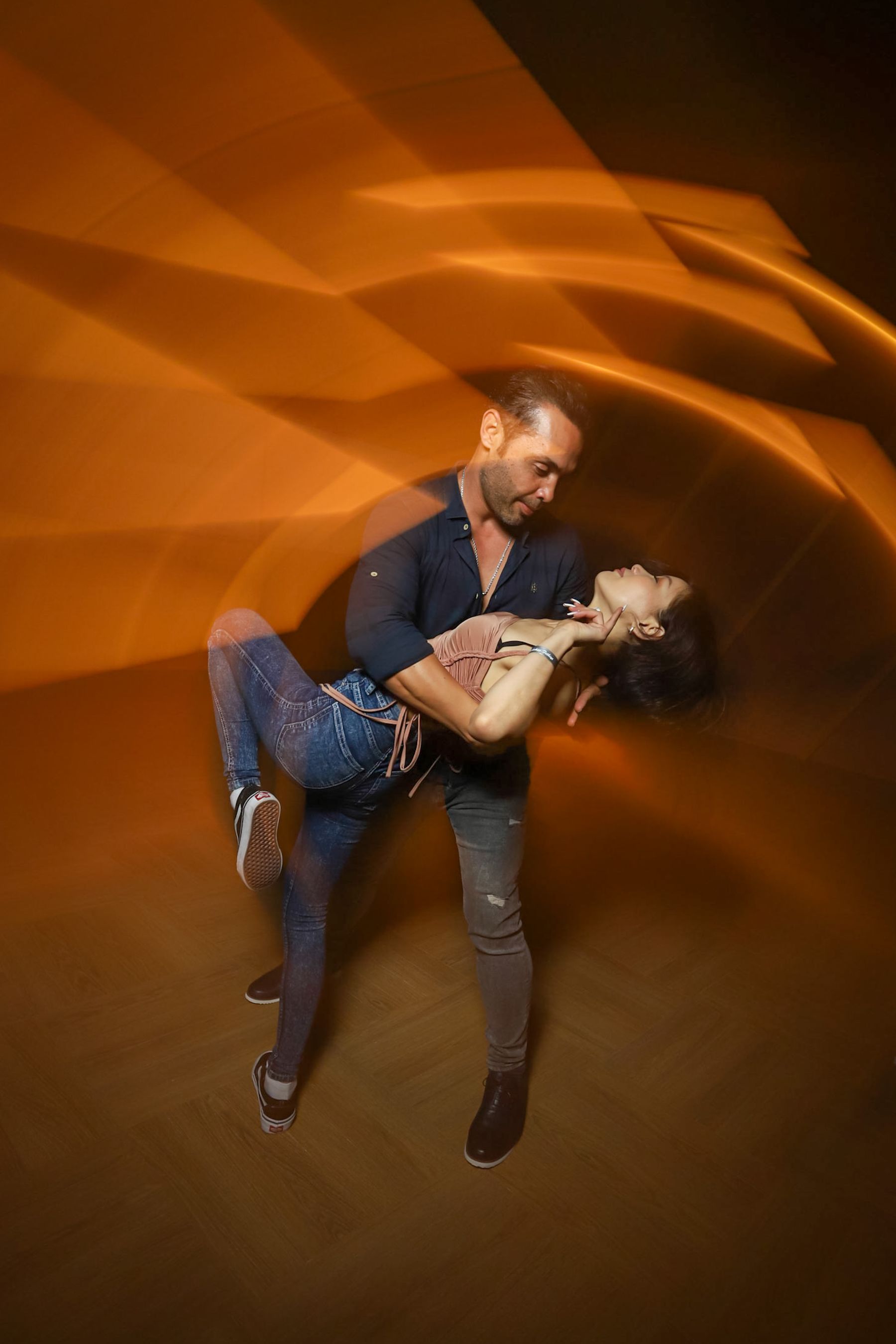
Two of the country’s musical forms are on the UNESCO list of Intangible Cultural Heritage: merengue, inscribed in 2016, and bachata, in 2019. Both are still played live everywhere, not staged for visitors.
Baseball is the national obsession. The Dominican Republic sends more players to Major League Baseball than any country outside the United States, and the domestic winter league runs from October to January — La Romana’s own team, the Toros del Este, plays a short drive from the resort.
The Colonial City of Santo Domingo has been a UNESCO World Heritage Site since 1990. It is where the Spanish built their first cathedral, first hospital and first university in the Americas, and it is all still standing.
What the island makes
Three things the Dominican Republic produces better, or more of, than anywhere else.
Cigars
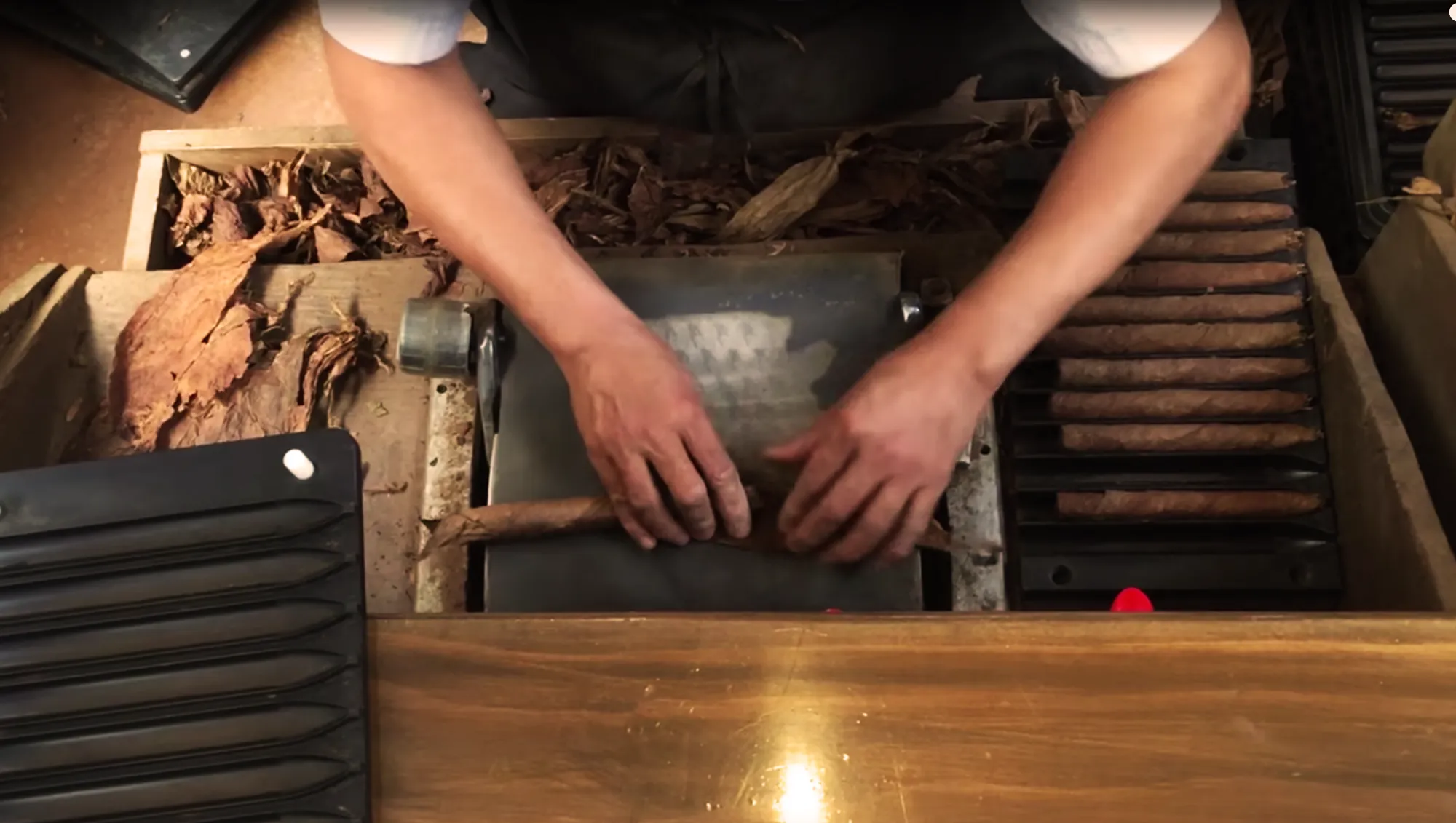
The largest exporter of premium hand-rolled cigars in the world, with close to 200 million leaving the country each year. Tastings and rollings can be arranged at the villa.
Cacao
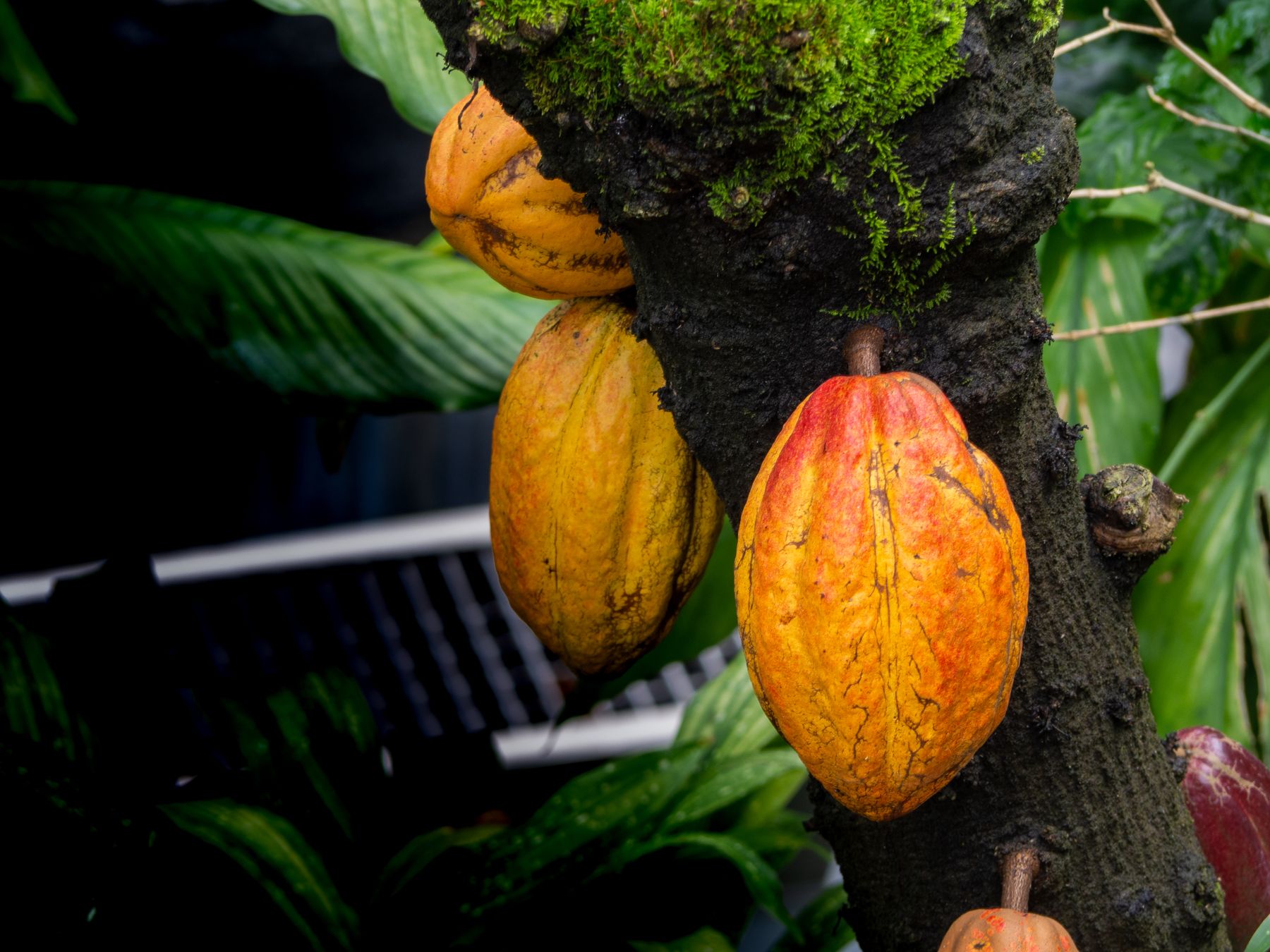
One of the world’s leading exporters of organic cocoa. Plantation visits in the Hato Mayor and San Francisco de Macorís areas are a straightforward day out.
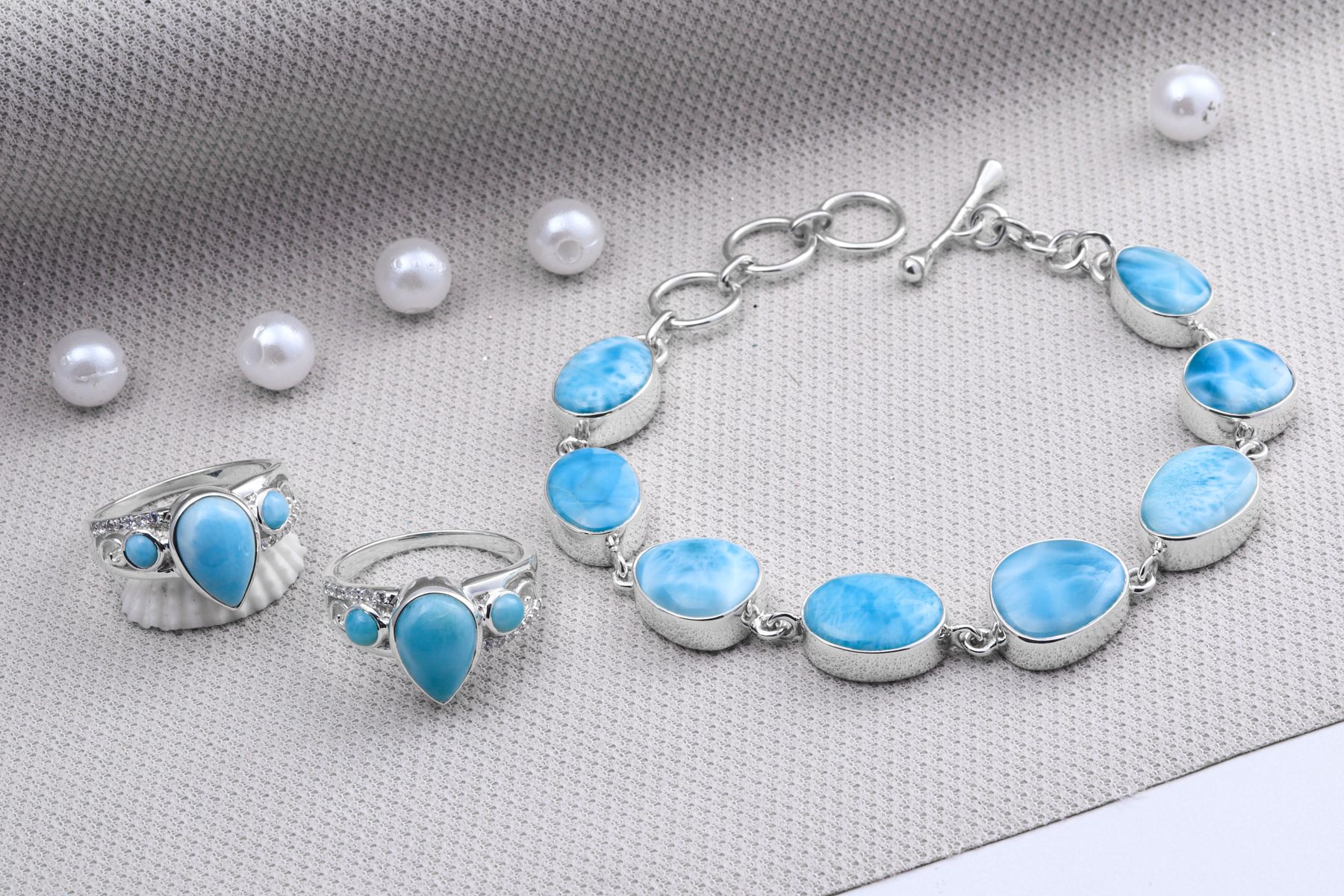
Larimar
A pale blue pectolite mined in one small area near Barahona and found nowhere else on earth. Amber, including the rare blue amber, comes from the north.

Getting here, and getting around
The country has several international airports, which is why it is easier to reach than most of the Caribbean.
La Romana (LRM) is the closest to Casa de Campo®, minutes from the main gate, with a dedicated terminal for private aviation. Punta Cana (PUJ) is the busiest airport in the Caribbean and has the widest choice of direct flights. Santo Domingo (SDQ) is the alternative hub and the one to use if you want a night in the Colonial City first. Puerto Plata (POP) and Samaná El Catey (AZS) serve the north.
Flying time is roughly two hours from Miami, under four from New York, and eight to nine from Madrid.
Which airport to fly into · Airport transfers · Private jets and helicopters
Practical notes
What you actually need to arrange before you travel.
Entry
- A passport, and a free E-Ticket completed online at eticket.migracion.gob.do before you check in for your flight. It is required by the airline, not just on arrival.
- No visa is needed for citizens of the United States, Canada, the United Kingdom or the European Union. Anyone holding a valid US, Canadian, UK or Schengen visa may also enter.
- Passports should be valid for six months. Until 31 December 2026 the authorities accept passports from the US, Canada, the UK, the EU and several Latin American countries that are valid for the duration of the stay.
Money & language
- The currency is the Dominican peso (DOP). US dollars are widely accepted at the resort and cards are taken everywhere you are likely to go.
- A 10% service charge and 18% ITBIS tax are normally added to restaurant bills.
- Language: Spanish. English is spoken throughout the resort and by our team.
Day to day
- Time: Atlantic Standard Time, GMT−4, with no daylight saving — the same as US Eastern in summer, one hour ahead in winter.
- Power: 110V, US-style plugs. Villas run on the resort supply with backup.
- Water: drink bottled or filtered water, which is stocked in every villa.
- Packing: see our packing guide.
Frequently Asked Questions
Where exactly is the Dominican Republic?
It occupies the eastern five-eighths of the island of Hispaniola, in the Greater Antilles, between Cuba and Puerto Rico. Haiti shares the island to the west. The country has coastline on the Atlantic Ocean to the north and the Caribbean Sea to the south, and Casa de Campo® sits on the calmer Caribbean side.
Do I need a visa to visit?
Citizens of the United States, Canada, the United Kingdom and the European Union do not need a visa for tourism. Everyone travelling on a commercial flight must complete the free government E-Ticket online before checking in. Your airline will ask for it at the counter.
What is the best time of year to come?
December to April is the dry season and the most popular. January to March adds the humpback whale migration in Samaná. July and August are hot, lively and best for families. June to November is hurricane season, with most activity between August and October. More on timing here.
How much of the country can we see from Casa de Campo®?
More than most people expect. Bayahibe and the islands are twenty minutes away, Santo Domingo is a straightforward drive west, and Samaná, the north coast and the south-west are all reachable by private helicopter or light aircraft from La Romana in well under an hour. Our concierge arranges the whole day, not just the transport.
What currency should we bring?
The Dominican peso is the official currency, but US dollars are accepted throughout the resort and cards are taken almost everywhere. There is no need to arrive with large amounts of local cash; pesos are useful for tipping and for small purchases outside the resort.
Is the Dominican Republic safe?
Casa de Campo® is a private, gated community with its own security, and the great majority of stays pass without any issue at all. Away from the resort, the sensible precautions you would take in any unfamiliar country apply: use arranged transport rather than hailing cars, keep valuables out of sight, and avoid unlit areas at night. We would always suggest checking your own government’s current travel advice before you travel.
Do we need to speak Spanish?
No. Spanish is the national language, and any effort with it is appreciated, but English is spoken by resort staff, restaurants, villa teams and our own concierge. Villa staff who speak only Spanish are briefed by us before you arrive.
What language and food should we expect?
Dominican cooking is rice, beans, plantain, slow-cooked meat and a great deal of very good fish. At the resort you will also find Italian, Japanese, steak and Mediterranean menus, and a private chef at the villa can cook either way. The dining guide has the detail.
Not sure where
to start?
Please fill out our form and a villa specialist will reach out to plan the luxury experience of your dreams.